Today’s links are affiliate links. This means if you click on these links to purchase a book, I will receive an affiliate commission at no extra cost to you.
Belonging Is Vital
Remember how I said last week that belonging–or not– is a matter of life or death? How we band together to survive physically and psychologically, and how communities are what we form? Schools are one such community, and the importance of students feeling like they belong (“belongingness”) is well established scientifically. Kids who feel like they belong do better academically, socially, and even have better health outcomes — and this lasts into adulthood, where they’ve been shown to be more confident in themselves, and happier and more satisfied in their careers (Cohen, 2023).
Representation Is One Way We Know We Matter
Physical environment’s important. I was kvetching one day to a student about the dozens of physical barriers–on a campus with an architecture school, for heaven’s sake–to my teaching, and he said, “It’s like they aren’t even thinking of you” and he was right, that’s exactly how I felt. But it’s largely a psychological, interior experience. Students know they belong when they see faculty, administrators, and peers who look, think, and act like they do. When they see books and films in the media center that reflect their lived experience they know the people in charge are thinking of them. For kids in majority groups, too — they expand their frame of reference to include everyone when they see different groups well-represented everywhere.
And Lack of Representation Is How We See That We Don’t
Pulling books from the shelves because they talk about racism, sex, and gender defeats that purpose just as fast as anti-DEIA initiatives do, and I’m certain that is deliberate. What you should want is to create a space for all students to express their learning, ideas, and questions — and to be valued for it (Cohen, 2023, p. 20). And we make clear who is valued by who is running those spaces, who’s also present in those spaces, and who is and is not represented in the curriculum and on the bookshelves. If it were really about protecting kids, we would not see so many minority-identified books on the banned lists: For what it’s worth, one of the last big book controversies in our county schools was over a book that was explicitly written to protect kids — Mike Curato’s Flamer.
The only representation of disabled people in my high school was our production of The Glass Menagerie. Hardly inspiring, and to add insult to injury, an able-bodied peer had to play the lead because I was the only disabled girl in that whole school and I could not act. There was no women’s history to be had anywhere, really, although we did have one teacher who ferried bombers in WWII as a WAF, so there was that. I was a straight, white child of the middle class, so that was all well-represented, meaning that the message was that this is what was valued. In contrast, we had, I believe, only one Black teacher, in mathematics. African American lit was segregated into two honors classes, taught once each, as far as I know, and as I recall them our history classes were pretty slanted towards Western values and culture, and white men’s triumphs. Indigenous history was non-existent outside of the Thanksgiving tropes of the the ’60s. So how do you think those kids felt? I can only cite one example, a Black female friend of mine who to this day identifies with the Black high school whose district she lived in and would have attended had she not been bused to ours, and with those students as her peers. She experienced success at our school, and if that was her feeling how much more so for the kids who got bussed over only to struggle academically or otherwise?
But conservatives want to roll the calendar back to those days.
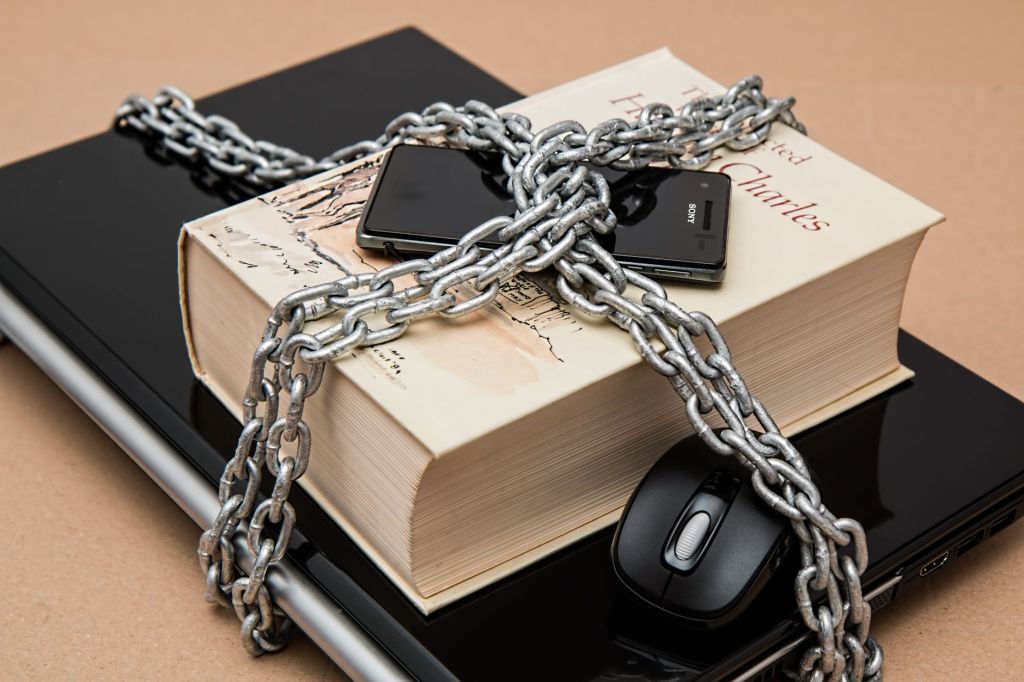
Banned Books Week
In that vein, we will talk more on Thursday about what happens when “belongingness uncertainty” is triggered. Meanwhile, it’s officially Banned Books Week–has been, in fact, since yesterday, and I can guarantee that every time one of these books is pulled, with or without fanfare, it triggers belongingness uncertainty in a not-inconsiderable number of students. (Even one would be bad enough, but when you tell 10-25% of your kids they can’t read about themselves, and you don’t want anybody else to either….)
(So I’m a day late. What are they gonna do, fire me? For not working on a Sunday? I had too many miserable years of last-minute hysterical prepping on weekends while I was an adjunct to ever want to do that again!)
If you’d like to be notified when I publish on belongingness uncertainty and the psychological and physical costs when it’s triggered by things like book bans, please subscribe below. Right here, in this little box. It’s easy, and it’s free. Just gimme your email addy.
Everything’s free for now, but I will pay-wall long reads in future. When that happens, really early subscribers will be grand-parented in! (Early-ish folk will get half off.) So don’t wait! Sign up now! It’s easy, it’s free, and you can always Unsubscribe later if, for some bizarre reason, you decide it was a mistake.
But I digress. I sell books I write about through my storefront at Bookshop.org, The Docsplainer Reads and this week you can get 15% off select banned and challenged books with the code BBW26, through October 18th at 11:59 pm PST.
Click here for the list of titles that are on sale. One of them, Toni Morrison’s Pulitzer Prize-winning The Bluest Eye, was just removed from the shelves a week or so ago in my county’s district. Every copy. Every school. Basically sends the message that sexual abuse is too gross to contemplate, driving victims deeper into silence. And that Black women aren’t worth reading, I guess. Even if they win prizes.
What Are You Reading This Week?
I’ve paused my re-read of 1984, partly because it’s so much more badly-written than I remembered, and am currently reading a book that’s not on the list but is similar in many characteristics to some of the most frequently banned books. It’s Julie Orringer’s The Flight Portfolio, and the opening chapter is from a gay man’s POV. The show they made from it, Transatlantic, is explicit about their relationship. If they haven’t pulled it here, I’m sure it’s only a matter of time until they try. If you’re interested in what other folks are reading, the Boomer Eco Crusader has started that conversation over at “What will you read for Banned Books Week?”
If you don’t feel like buying a book this week, that’s cool, but you could (please) buy me a coffee! to help keep this writer and her animal muses going.


Reference
Cohen, G. L. (2023) Belonging: The science of creating connection and bridging divides. W.W. Norton.
Don’t be fooled: This is not a text for professionals. Cohen translates his and others’ research into plain English for anyone who’s in a position (which is all of us, if you think about it) to create or increase the feeling of belongingness for themselves or others. You can purchase it here.


Leave a Reply