Quick Hit for August 14, 2026
Sometimes links in these posts are affiliate links. This means if you click on the link and purchase a book I’ve recommended, I will receive an affiliate commission at no extra cost to you–and so will the brick-and-mortar store of your choice.
My patients tended to experience their minds as having, well, minds of their own. They usually entered therapy feeling like they had little or no control over where their minds went.
I love that this one young man (Gautama Buddha, who left home to seek enlightenment at nineteen) over 2,000 years ago had doped out how to quiet the mind, and that modern psychological science has codified the techniques for teaching people of any faith or none how to quiet their anxious, obsessive, and/or depressive minds.
He figured out early that “stinkin’ thinkin’,” as it’s called in recovery circles, is self-perpetuating. He taught that
Whatever a person frequently thinks about and ponders, that will become the inclination of their mind. If one frequently thinks about and ponders unhealthy states, one has abandoned healthy states to cultivate unhealthy states, and then one’s mind inclines to unhealthy states. (MN 19)
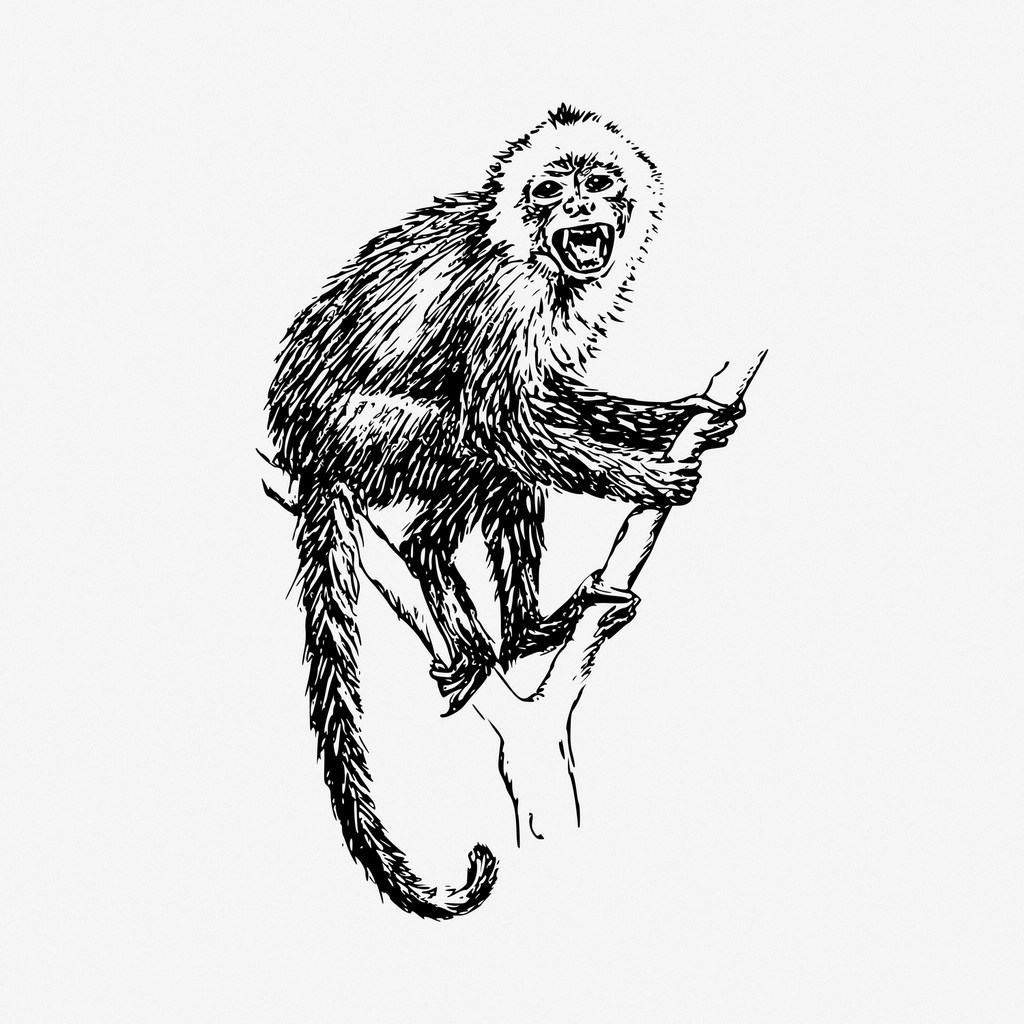
The ‘cure’ requires mindfulness first: What is that monkey-mind doing right now? Is it healthy? Fine. Carry on! If not, then let’s see how to fix it. This “Mindfulness” is often interpreted by the average layperson in the West as being a passive thing–fixing anything doesn’t enter into their view of it. And of course in a way it is sort of passive. However, achieving mindfulness is very much an active process! Indeed, one of the tenets of the Eightfold Noble Path is that one must put out effort — right effort, not just any effort — to make progress. And then, yes, there are correctives — they’re everywhere in the Buddha’s teachings. We don’t have to live with a mind that constantly harasses and undermines us.
You can free yourself from that enslavement (Olendzki, n.d.)!
Non-Buddhist psychologists call it ‘cognitive therapy’ these days, and It works on and off the meditation mat.
Abandoning restlessness, one abides unagitated with a mind inwardly peaceful; one purifies the mind of restlessness. (MN 51) Just as a person who had been a slave, unable to go where he liked, would be freed from slavery, so would one rejoice and be glad about the abandoning of restlessness. (DN 2)
If this was helpful in any way, please… buy me a coffee!

References
Ñāṇamoli & Bodhi (Trans.). (1995). The middle length discourses of the Buddha: A translation of the Majjhima Nikāya (4th ed). Wisdom.
Olendzki, A. (n.d.) Dhamma Wheel [MOOC]. Tricycle. https://learn.tricycle.org/p/dhamma-wheel
Walshe, M. O. (Trans.) (1995). The long discourses of the Buddha: A translation of the Dīgha Nikāya. Wisdom Publications.


Leave a Reply